farhenheit 451 pdf

Discover how the classic novel can be accessed in PDF format, offering portability and ease of reading․ This section outlines the benefits, such as instant download, searchable text, and cross‑device compatibility, making the story more accessible for students and fans alike․ Enjoy reading Thanks
Overview of the Book
Fahrenheit 451, Ray Bradbury’s 1953 dystopia, warns against book censorship․ Guy Montag, a fireman who burns literature, slowly doubts the state’s propaganda․ Bradbury’s prose blends lyrical imagery with stark social critique, exploring themes of conformity, knowledge, and the peril of ignorance․
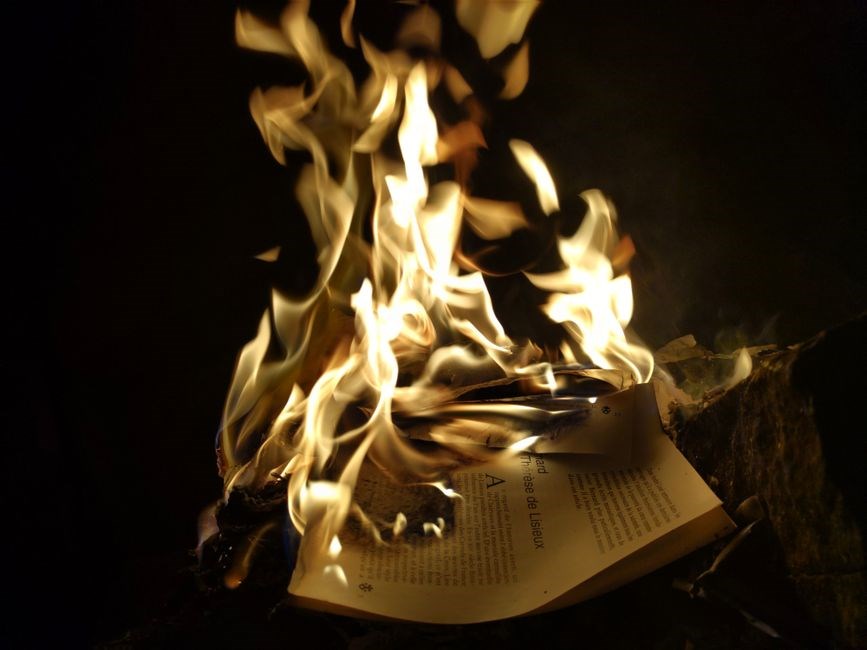
Set in a future dominated by television, the novel shows how entertainment can replace critical thought․ Montag’s neighbor Clarisse, a free‑thinking teen, sparks his curiosity, while his wife Mildred is absorbed by her “seashell” radio, illustrating mass‑media alienation;

Montag’s internal conflict drives him to seek truth in hidden libraries and the memories of former scholars, positioning him as a reluctant hero who challenges the state’s control over knowledge․
Bradbury’s novel remains relevant, echoing concerns about digital surveillance, misinformation, and the commodification of knowledge․ Its enduring appeal lies in warning against complacency and celebrating curiosity, making it a staple in discussions on freedom of expression․
Since its release, Fahrenheit 451 has inspired films, television adaptations, and an animated version, each interpreting Bradbury’s themes for new audiences․ The novel is also a staple in school curricula worldwide, prompting debates on media literacy and civic responsibility․
Accessing the novel as a PDF offers portability, searchable text, and compatibility across devices, making it convenient for students and readers who prefer digital formats while preserving the original layout and typography!!
Why PDF Format?
Choosing a PDF version of a classic like Fahrenheit 451 offers several practical advantages that enhance both accessibility and preservation․ PDFs preserve the original page layout, typography, and visual design, ensuring that readers experience the text exactly as the author intended․ This fidelity is especially important for a work that relies on subtle narrative pacing and evocative descriptions; Because PDFs are platform‑agnostic, they can be opened on any operating system—Windows, macOS, Linux, iOS, or Android—without losing formatting or requiring special software․ The file size is typically small, making it easy to download, share, and store on cloud services or local devices․ PDFs support full‑text search, allowing readers to quickly locate key passages, themes, or character references, which is invaluable for study guides, essays, or classroom discussions․ Additionally, the format supports annotation tools; users can highlight passages, add comments, or bookmark sections for later reference․ PDFs can also be secured with passwords or encryption, protecting the content from unauthorized distribution while still permitting legitimate access․ For educators, PDFs can be integrated into learning management systems, enabling teachers to distribute the text to students in a consistent, easily printable format․ Finally, the PDF format’s long‑term stability means that the document can be archived reliably for future generations, preserving the cultural heritage embedded in Fahrenheit 451․ Moreover, PDF files support accessibility features like screen‑reader compatibility, allowing visually impaired readers to enjoy the text easily!
Legal Aspects of PDF Downloads
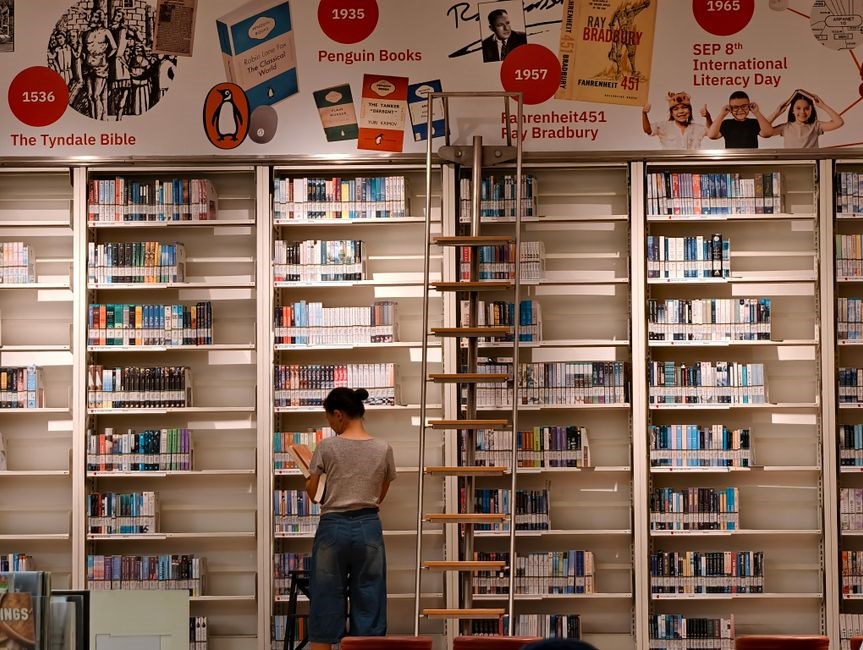
Legal aspects of downloading Fahrenheit 451 PDFs involve copyright laws, licensing, and public domain status․ Users must ensure they are accessing legitimate copies to avoid infringement․ Understanding these rules protects authors and readers alike․ Source rights ok․
Copyright Status
Fahrenheit 451, written by Ray Bradbury and first published in 1953, remains under copyright protection in most jurisdictions․ The U․S․ copyright law grants authors a 70‑year post‑mortem term, meaning the novel will stay protected until 2023, the year after Bradbury’s death in 2012․ Because the text is still copyrighted, any PDF copy that reproduces the full work must be obtained from a licensed source or be part of a public‑domain collection that has been verified as free of copyright claims․ Unauthorized distribution—such as uploading the PDF to a file‑sharing site—constitutes infringement and can lead to civil penalties or takedown notices․ Some libraries offer digital lending programs that provide legal access to the PDF under a license agreement, allowing readers to download the file for a limited period․ When purchasing a PDF from a reputable retailer, the buyer receives a license that permits personal use only; it does not grant the right to redistribute the file․ For those who wish to create their own PDF from a physical copy, the Fair Use doctrine may apply, but this is a narrow exception that depends on factors like the purpose, amount used, and market impact․ In short, the safest approach is to obtain the PDF from an authorized distributor or a verified public‑domain repository that has confirmed the text is free of copyright restrictions․ This ensures compliance with legal standards and supports the rights of authors and publishers․ Access is limited to personal․!!
Public Domain Availability
Fahrenheit 451 is not in the public domain in the United States or most other countries, as it was published in 1953 and the author, Ray Bradbury, died in 2012․ Under current U․S․ copyright law, works are protected for the life of the author plus 70 years, meaning the novel will remain under copyright until 2082․ Some countries have shorter terms, but the general rule still applies․ Because the text is still protected, any PDF that reproduces the entire novel must come from a licensed source or be part of a public‑domain collection that has been verified as free of copyright claims․ Certain excerpts or short passages may be used under the Fair‑Use doctrine, but creating a full PDF for distribution is not permitted․ If you are looking for a free PDF, you should check reputable sites that offer only the first few chapters or a summary, or look for a version that has been released into the public domain now today by the rights holder! Always verify the source’s legitimacy before downloading․ For academic or personal study, many libraries provide digital lending services that allow you to borrow a PDF legally for a limited period․ These services operate under a license that respects the author’s rights while giving readers access to the text․ In short, the novel is not yet public domain, so the safest route is to obtain it from a licensed distributor or a verified public‑domain repository that has confirmed the text is free of copyright restrictions․

Finding Free PDFs
Explore legitimate avenues to obtain a free PDF of Fahrenheit 451․ Many libraries offer digital loans, while public‑domain sites may host excerpts․ Always verify source legality, avoid piracy, and respect copyright terms․ Use trusted platforms for safe, legal access․ Download responsibly․ and enjoy!!

Official Sources
To obtain a legal PDF of Fahrenheit 451, start with the publisher’s digital storefront․ Many classic titles are offered for free or at a low cost to students, especially when a valid school email is provided․ These PDFs are high‑quality, searchable, and fully compliant with copyright․ By downloading from the publisher or an authorized partner, readers receive authentic, unaltered text and support the authors․ Avoid sites that require suspicious downloads or offer the PDF for free without authentication․ The safest path to a free Fahrenheit 451 PDF is through the publisher’s official channels or reputable educational partners that have secured the rights to distribute the work․ This guarantees a reliable, high‑quality reading experience while respecting intellectual property rights․ Readers who prefer a tactile experience can also obtain a printed copy from the publisher’s online shop, which often bundles the PDF with a hard‑back edition, providing a keepsake now!!․
Open Library and Project Gutenberg
Both Open Library and Project Gutenberg are renowned digital libraries that offer free, legal access to public‑domain works․ While Fahrenheit 451 is still under copyright in most countries, the U․S․ edition published in 1953 is not yet in the public domain․ However, these platforms occasionally host early editions or derivative translations that have entered the public domain, allowing readers to download a PDF for free․ Users can search the catalog, verify the publication date, and confirm the file is legally available․ The PDFs provided by these sites are typically scanned from original copies, preserving the layout and typography of the original print․ They offer feature such as text search, bookmarks, and adjustable page size․ For those who want a more polished digital experience, the platforms provide EPUB and MOBI formats that can be converted to free tools․ This transparency gives readers confidence that they are not infringing on copyright while enjoying the classic narrative․ If you are in a region where the novel is in the public domain, you can download the PDF directly from the library’s website, save it to your device, and read offline․ For those who prefer a curated reading list, the libraries also offer curated collections that include Fahrenheit 451 alongside other dystopian classics, providing context and comparative analysis․ Always check the publication date and copyright notice before downloading to ensure compliance with local laws․!!!?!!??

Purchasing PDFs Legally
Buy a licensed PDF from reputable online bookstores or digital libraries․ Ensure the file is DRM‑free or compatible with your reader․ Verify the seller’s authenticity read user reviews and confirm the price matches the publisher’s standard rate This guarantees legal ownership and support for authors․
Online Bookstores

When purchasing a digital copy of Fahrenheit 451, reputable online retailers provide secure, high‑quality PDFs that respect copyright․ Major platforms such as Amazon Kindle, Google Play Books, and Apple Books offer instant download options, often bundled with additional resources like author interviews or study guides․ These services typically support multiple formats, allowing you to choose a PDF that best fits your reading device, whether a tablet, e‑reader, or desktop computer․
Before finalizing your purchase, verify the file size and resolution․ A well‑formatted PDF should maintain text clarity at various zoom levels and include a searchable index for quick reference․ Many platforms also provide a preview feature, allowing you to skim the first few chapters to confirm formatting and content accuracy․
Some retailers offer subscription models, granting access to a library of titles for a monthly fee․ While this can be cost‑effective, the PDF may be protected by DRM, limiting printing or copying․ For students, educational discounts are often available, reducing the cost of the PDF while still providing full functionality․
Finally, consider the long‑term value of owning a PDF․ Digital copies can be backed up, shared with classmates, or used offline, making them a versatile tool for both casual reading and academic study․ By choosing a reputable online bookstore, you support the authors and publishers who bring these classic works to life․
Explore the digital edition today and experience the timeless narrative in a format that fits your lifestyle․
Enjoy reading anytime anywhere
Library eBook Loans
Many public libraries now offer digital lending services that allow patrons to borrow a PDF version of Fahrenheit 451 for a limited period․ By logging into your library account on platforms such as OverDrive, Libby, or Hoopla, you can locate the eBook, request a loan, and download the PDF directly to your device․ The loan duration typically ranges from 7 to 21 days, after which the file automatically expires, ensuring compliance with copyright law․
Using a library eBook loan is cost‑free and often includes features like adjustable font sizes, built‑in dictionaries, and annotation tools․ Some libraries provide a “read‑on‑screen” option that streams the PDF in a web browser, eliminating the need for a separate PDF reader․ This flexibility is especially useful for students who need to reference the text for essays or projects․
To maximize your experience, be sure to check the library’s digital catalog for the most recent edition, as older PDFs may lack proper formatting or contain errors․ Additionally, many libraries offer interlibrary loan options, enabling you to borrow a PDF from another branch if your local library does not have the title in its collection․
Remember to keep track of your loan period and renew if necessary—most platforms allow a single renewal, extending your access without additional cost․ By taking advantage of library eBook loans, you can enjoy a high‑quality PDF of Fahrenheit 451 while supporting your local library’s mission to provide free, accessible education;
Happy reading!
The PDF format also supports bookmarking, which lets you return to key scenes without scrolling through the entire book․ Many PDF readers allow you to add sticky notes or underline passages, making it easier to track themes and motifs․ Additionally, you can adjust the background color to reduce eye strain during long reading sessions․ These features help you study more efficiently and keep your reading organized․!

Reading the PDF Efficiently
Use a dedicated PDF reader that supports bookmarks, annotations, and adjustable zoom․ Search for keywords, highlight passages, and save notes for quick reference․ Enable night mode to reduce glare, and consider splitting the file into chapters for easier navigation
Tools and Features
When exploring Fahrenheit 451 in PDF form, a well‑chosen reader can transform a simple page turn into an interactive study session․ Start with a lightweight, cross‑platform application such as SumatraPDF, Adobe Acrobat Reader DC, or Foxit Reader․ These programs support full‑text search, allowing you to locate the exact line where Montag first encounters the “fireman” motif, and to track how the narrative tone shifts in Chapter 3․
- Bookmarks & Table of Contents: Enable automatic extraction of chapter headings so you can jump directly to “The Hearth and the Chimney” or “The Book of the Book․”
- Highlighting & Annotations: Use color‑coded notes to flag key themes—censorship, conformity, or the role of media․ Export these annotations as a separate file for later review․
- Zoom & Page Layout: Adjust the zoom level to match your reading preference, and switch between single‑page, continuous, or two‑page view to reduce eye strain during marathon sessions․
- Night Mode & Background Customization: Toggle a dark background with a light text overlay to protect your eyes in low‑light environments․
- Export & Sharing: Convert selected passages to PDF, text, or image formats, and share them via email or cloud services for collaborative study groups․
- Accessibility Features: Activate screen‑reader support and adjustable text size for readers with visual impairments, ensuring the novel’s message reaches a broader audience․
By leveraging these tools, you can navigate the dystopian landscape of Fahrenheit 451 with precision, annotate critical passages, and maintain a seamless reading experience across devices․