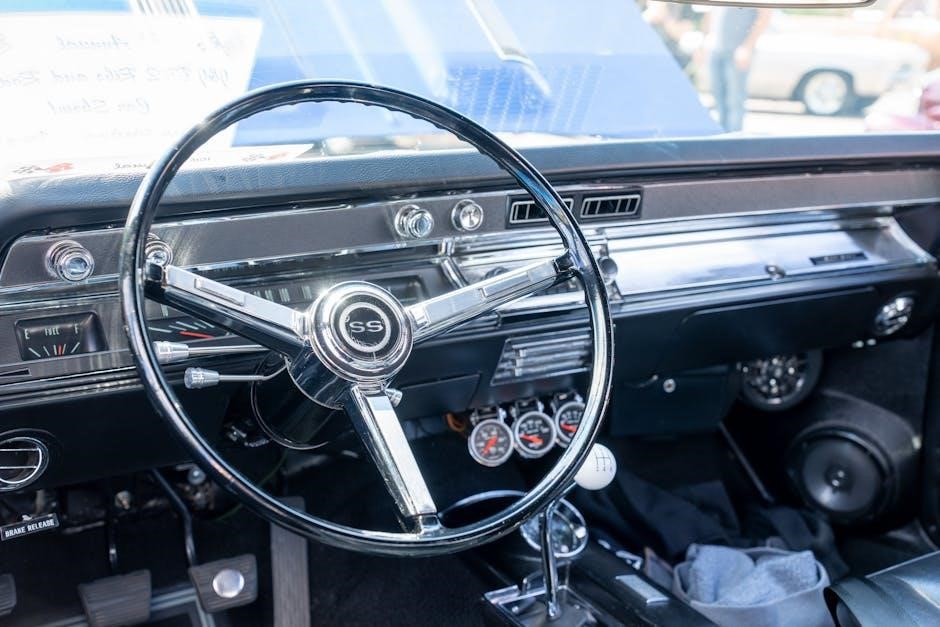
chevrolet 4 speed manual transmission
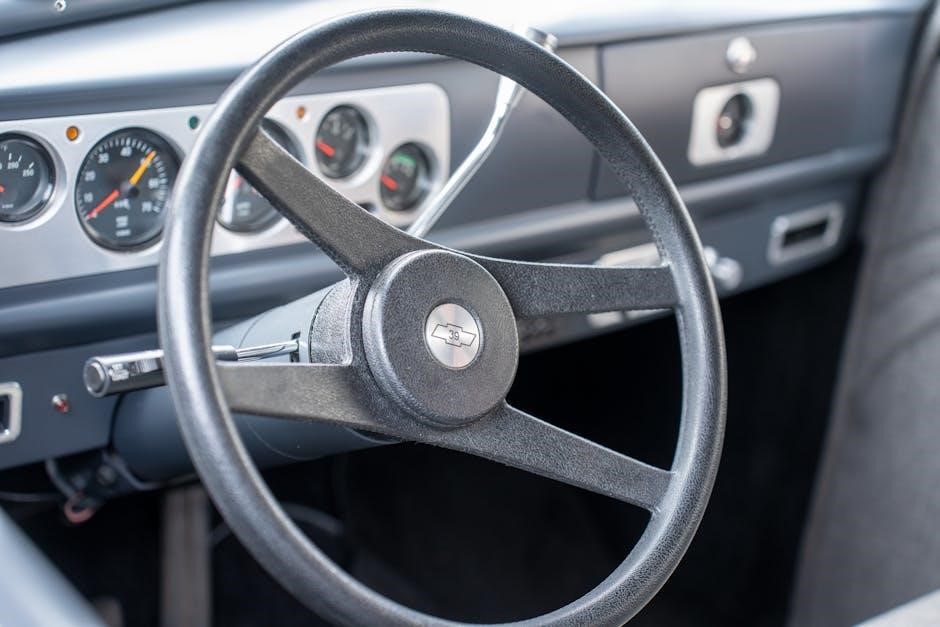
Chevrolet 4-Speed Manual Transmission: A Comprehensive Guide
Delve into the world of Chevrolet’s iconic 4-speed manual transmissions‚ exploring their history‚ identification‚ common issues‚ repair‚ maintenance‚ and performance potential for enthusiasts.
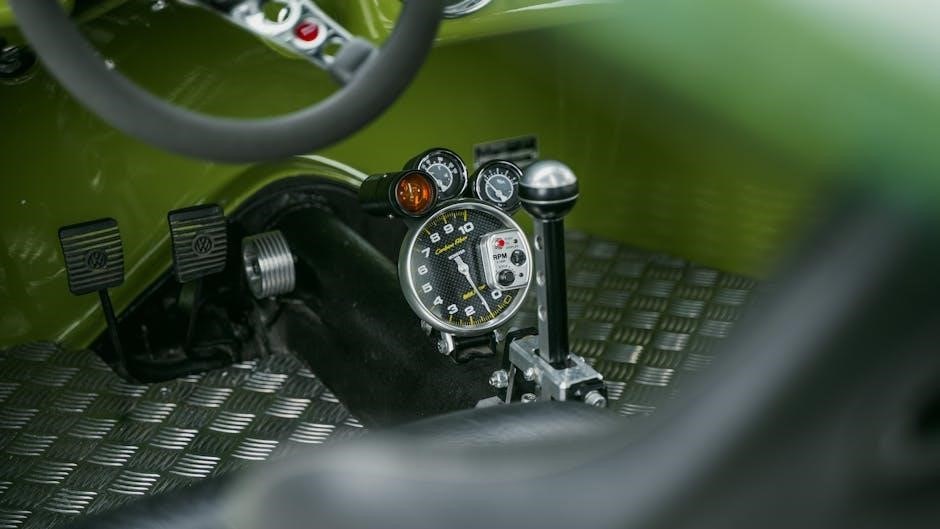
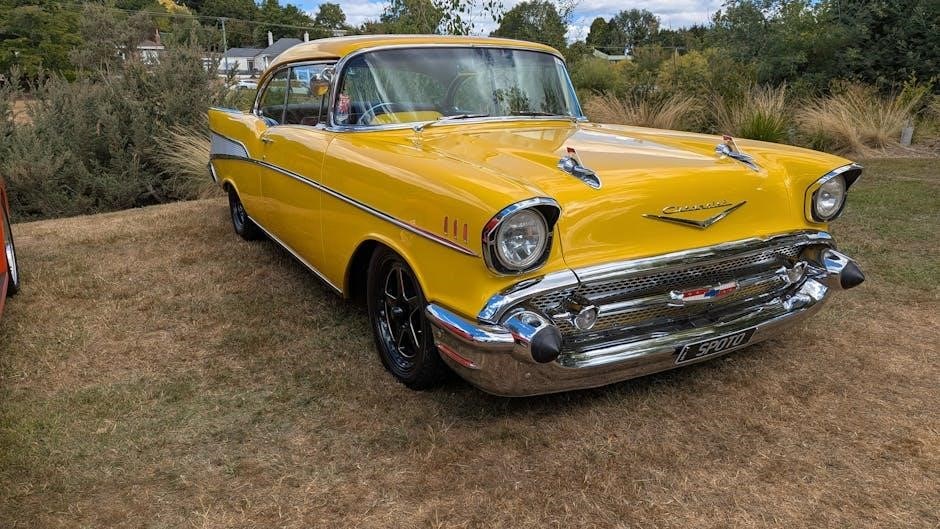
Chevrolet’s 4-speed manual transmissions represent a significant era in automotive engineering‚ offering drivers a direct connection to the powertrain. These transmissions‚ found in a variety of classic and muscle cars‚ are celebrated for their durability and engaging driving experience. Unlike modern automatics‚ the 4-speed manual demands driver skill and involvement‚ contributing to a more visceral feel behind the wheel.
Understanding these transmissions is crucial for owners‚ restorers‚ and performance enthusiasts. They provide a robust platform for both stock configurations and high-horsepower builds. However‚ age and use can lead to common issues‚ requiring diagnosis and repair. This guide aims to provide a comprehensive overview‚ covering identification‚ troubleshooting‚ maintenance‚ and potential upgrades to keep your Chevrolet’s manual transmission operating smoothly for years to come.
Historical Overview & Common Models
Chevrolet’s foray into 4-speed manual transmissions began in the mid-1960s‚ quickly becoming a popular choice for performance-oriented vehicles. Early iterations‚ like the Muncie M21 and M22‚ were renowned for their strength and reliability‚ often paired with big-block engines. The Muncie M21 was a widely used‚ heavy-duty transmission‚ while the M22 featured a stronger cluster gear for increased durability.
Later models‚ such as the Saginaw 4-speed‚ offered a lighter-duty alternative for smaller displacement engines. These transmissions found their way into a diverse range of Chevrolet vehicles‚ including Camaros‚ Corvettes‚ Chevelles‚ and Novas. Identifying the specific model is key for parts sourcing and repair. Production continued through the 1970s‚ with variations tailored to different engine outputs and vehicle applications‚ solidifying their place in automotive history.
Identifying Different Chevrolet 4-Speed Manual Transmission Types
Distinguishing between Chevrolet’s 4-speed manuals requires examining several key features. The Muncie transmissions (M21‚ M22‚ M20) typically have a case with a flat top‚ while Saginaw transmissions feature a rounded top. Casting numbers located on the case are crucial for definitive identification; these numbers reveal the production date and original application.
The M22 “Rock Crusher” is identifiable by its heavier-duty cluster gears and often a distinct metallic sound during operation. Input and output shaft lengths also vary between models‚ impacting compatibility with different vehicles. Tailshaft housing length and spline count on the output shaft are further differentiating factors. Accurate identification is vital when sourcing replacement parts or undertaking restoration projects‚ ensuring proper fitment and functionality.

Common Problems & Symptoms
Recognizing issues early is key! Expect slipping gears‚ inability to engage third‚ unusual noises‚ and fluid irregularities – signs demanding immediate attention and diagnosis.
Slipping Gears: Causes and Diagnosis
Slipping gears within a Chevrolet 4-speed manual transmission often indicates internal wear or damage. Several factors can contribute‚ including worn synchronizers‚ a failing clutch (though less common in manuals)‚ or damaged gear teeth. Diagnosis begins with observing when the slipping occurs – during specific shifts‚ under load‚ or consistently.
A thorough inspection of the transmission fluid is crucial; metallic flakes suggest internal component deterioration. Checking clutch linkage for proper adjustment is also vital. Further investigation may require removing the transmission for a detailed examination of the synchronizers‚ gears‚ and shift forks. Properly identifying the root cause is essential for a lasting repair‚ preventing recurrence and further damage to the transmission’s internal components.
No Third Gear: A Specific 4L60E Issue
The inability to engage third gear is a frequently reported problem with the 4L60E automatic transmission‚ though less common in true 4-speed manuals. This often points to a failure within the 3-4 solenoid pack‚ responsible for controlling fluid flow to engage third and fourth gears. A faulty solenoid can prevent the necessary hydraulic pressure from building‚ rendering third gear inaccessible.
Diagnosis involves scanning for trouble codes related to the 3-4 shift solenoid. Testing the solenoid’s resistance and operation with a multimeter is crucial. Sometimes‚ a clogged valve body passage restricts fluid flow. Repair typically involves replacing the solenoid pack or‚ in some cases‚ a complete valve body rebuild. Ignoring this issue can lead to further transmission damage and costly repairs.
Strange Noises During Operation
Unusual sounds emanating from your Chevrolet 4-speed manual transmission can signal a variety of underlying problems. Whining noises often indicate worn bearings within the transmission itself‚ or potentially low fluid levels. Clunking sounds during shifts frequently point to excessive wear in the synchronizers‚ responsible for smooth gear engagement.
Grinding noises are particularly concerning‚ often stemming from damaged gears or a failing clutch. A rhythmic ticking sound could suggest issues with the differential. Thorough inspection is vital; begin by checking the transmission fluid for metal shavings‚ a clear sign of internal wear. Addressing these noises promptly prevents further damage and potential transmission failure‚ ensuring continued reliable operation.
Transmission Fluid Issues & Irregularities
Maintaining proper transmission fluid levels and condition is crucial for the longevity of your Chevrolet 4-speed manual. Dark‚ burnt-smelling fluid indicates overheating and potential internal damage‚ often due to aggressive driving or heavy loads. Milky or cloudy fluid suggests coolant contamination‚ a serious issue requiring immediate attention.
Low fluid levels can cause slipping gears and difficulty shifting‚ while excessively high levels can lead to aeration and reduced lubrication. Regularly check the fluid for metal particles – their presence signifies internal wear. Using the correct type of fluid‚ as specified in your vehicle’s manual‚ is paramount. Ignoring these fluid irregularities can quickly escalate into costly repairs or complete transmission failure.
Diagnosis & Repair

Accurate diagnosis is key to effective repair; utilizing diagnostic tools‚ inspecting valve bodies‚ addressing torque converter issues‚ and replacing worn bands/clutches are vital steps.
Using Diagnostic Tools for 4L60E Issues
Modern diagnostics are crucial for pinpointing 4L60E transmission problems. Scan tools capable of reading transmission-specific trouble codes (DTCs) are the first step‚ revealing potential issues with solenoids‚ sensors‚ or internal mechanical failures. Monitoring live data streams‚ such as transmission fluid temperature and individual solenoid operation‚ provides valuable insights.
A pressure gauge connected to the transmission case helps verify proper hydraulic pressure‚ identifying potential pump or valve body malfunctions. Furthermore‚ a multimeter can test solenoid resistance‚ confirming electrical integrity. For more complex issues‚ a specialized transmission analyzer can perform advanced tests like solenoid cycle testing and torque converter clutch slip analysis. Remember‚ accurate interpretation of diagnostic data requires a solid understanding of the 4L60E’s operating principles.
Valve Body & Solenoid Problems: Identification & Repair
The 4L60E valve body is a complex hydraulic control center‚ and solenoid malfunctions are frequent culprits behind shifting issues. Symptoms include harsh or delayed shifts‚ slipping gears‚ or the inability to engage certain gears. Identifying faulty solenoids often begins with a scan tool‚ revealing specific DTCs.
Visual inspection of the valve body for wear‚ sticking valves‚ and debris is essential. Solenoid testing with a multimeter confirms electrical functionality. Repair options range from replacing individual solenoids to a complete valve body rebuild or replacement. A rebuild requires specialized tools and knowledge to ensure proper cleaning‚ calibration‚ and reassembly. Always use a transmission fluid compatible with the 4L60E to prevent further damage.
Torque Converter Clutch Issues: Diagnosis & Solutions

Torque converter clutch (TCC) problems in the 4L60E often manifest as shuddering during lock-up‚ particularly at highway speeds‚ or a complete failure to lock up. Diagnosis begins with a scan tool‚ checking for TCC-related DTCs. Monitoring TCC slip percentage during a test drive can pinpoint issues.
Common causes include a failing TCC solenoid‚ a worn torque converter‚ or low transmission fluid. Inspect the TCC solenoid for electrical resistance and proper operation. If the solenoid tests good‚ the torque converter itself may be the issue‚ requiring replacement. Ensure proper transmission fluid level and condition‚ as low fluid or contamination can hinder TCC function. A faulty pressure regulator valve can also contribute to TCC problems.
Band or Clutch Wear: Inspection & Replacement
Significant wear on the 4L60E’s bands and clutches leads to slipping‚ delayed engagement‚ and ultimately‚ transmission failure. Inspection requires a complete transmission teardown. Examine the friction material for thickness; specifications are crucial for accurate assessment. Burnt or glazed surfaces indicate overheating and excessive wear.
Replacement necessitates a full rebuild kit‚ including new bands‚ clutches‚ steels‚ and seals. Proper installation is paramount – correct band adjustment and clutch pack clearances are vital for longevity. Always follow the manufacturer’s torque specifications. Consider upgrading to heavy-duty clutches and steels for high-horsepower applications or frequent towing. Thoroughly clean all components before reassembly to prevent contamination and ensure optimal performance.
Maintenance & Prevention
Proactive fluid checks‚ timely changes‚ and proper tuning are essential for a long-lasting Chevrolet 4-speed manual transmission‚ preventing costly repairs and maximizing durability.
Regular Transmission Fluid Checks & Changes
Maintaining optimal transmission fluid levels and condition is paramount for the longevity of your Chevrolet 4-speed manual. Regularly check the fluid – ideally every month – for both level and appearance. The fluid should be a clear amber color; dark‚ cloudy‚ or burnt-smelling fluid indicates contamination or breakdown‚ necessitating a change.
Fluid changes should be performed according to the manufacturer’s recommendations‚ typically every 30‚000 to 50‚000 miles‚ or more frequently under severe driving conditions like towing or aggressive use. Using the correct type of fluid‚ specified in your vehicle’s owner’s manual‚ is crucial. Incorrect fluid can cause damage to synchronizers and bearings.
During a fluid change‚ inspect the drain plug for metal shavings‚ which can signal internal wear. A clean drain plug suggests a healthy transmission‚ while the presence of metal indicates potential issues requiring further investigation. Consistent fluid maintenance is a simple yet highly effective preventative measure.
Proper Tuning for High Horsepower Applications
When increasing engine output in a Chevrolet 4-speed manual application‚ transmission tuning becomes critical. Stock components are often not designed to handle significantly elevated torque levels‚ leading to premature wear or failure. Proper tuning involves optimizing the clutch engagement and shift points to match the engine’s power band.
Consider upgrading the clutch to a higher-capacity unit capable of handling the increased load. Adjusting the clutch linkage for precise engagement is also vital. Furthermore‚ recalibrating the speedometer may be necessary due to changes in drivetrain ratios.
For heavily modified engines‚ a standalone transmission controller can offer precise control over shift parameters and clutch management. Ignoring these tuning aspects can result in slipping clutches‚ broken gears‚ and ultimately‚ a costly rebuild. Prioritize careful calibration to maximize performance and reliability.
Upgrades for Increased Durability
Enhancing the longevity of a Chevrolet 4-speed manual transmission‚ particularly for demanding applications‚ requires strategic upgrades. Begin with stronger gears crafted from higher-grade alloys to withstand increased stress. Upgraded synchronizers minimize grinding during shifts‚ extending gear life.
A robust clutch assembly‚ including a heavy-duty pressure plate and a performance-grade disc‚ is essential. Consider a reinforced mainshaft and countershaft to handle higher torque loads. Furthermore‚ upgrading the shift forks and linkages improves precision and reduces wear.
Investing in a quality short-throw shifter kit enhances feel and reduces stress on internal components. Finally‚ ensuring proper lubrication with high-quality gear oil is paramount. These upgrades collectively transform a standard transmission into a durable powerhouse.
Performance & Restoration
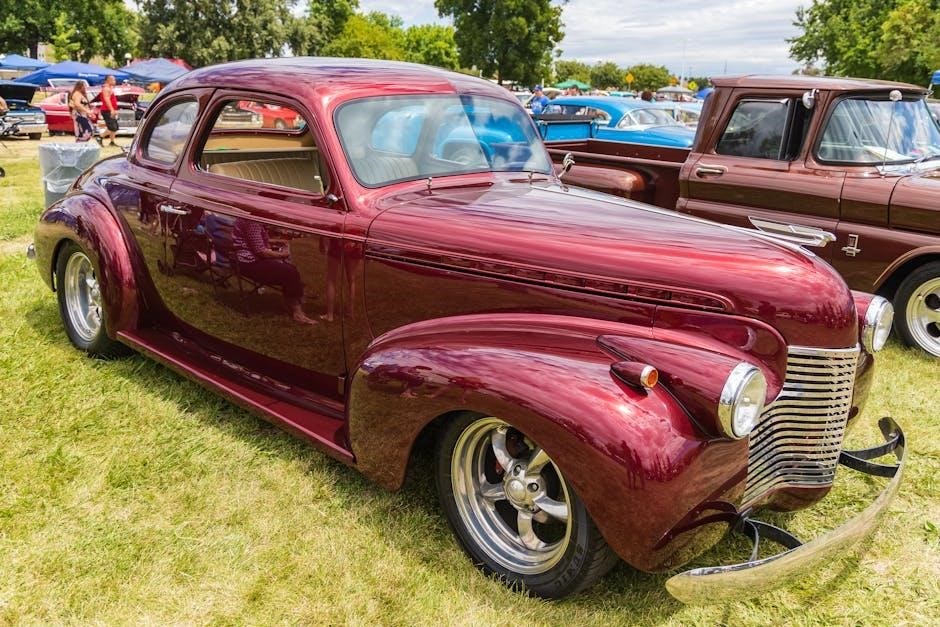
Revive classic Chevrolet muscle with a restored 4-speed‚ or unlock modern performance through strategic upgrades – enhancing acceleration and driving enjoyment significantly.
Chevrolet 4-Speed Manual Transmission for Restoration Projects
Restoring a Chevrolet 4-speed manual transmission is a rewarding endeavor for classic car enthusiasts. It demands meticulous attention to detail‚ sourcing original parts whenever possible to maintain authenticity. A complete disassembly is crucial‚ inspecting each component – gears‚ synchros‚ bearings‚ and the shift linkage – for wear or damage. Rebuilding often involves replacing worn bushings‚ seals‚ and gaskets.
Finding a knowledgeable machinist for any necessary case repairs or gear adjustments is invaluable. Accurate reassembly‚ following factory specifications‚ is paramount for smooth and reliable operation. Don’t overlook the importance of a proper bench test before installation. Successfully restoring a 4-speed not only preserves a piece of automotive history but also significantly enhances the driving experience of a classic Chevrolet.
Performance Upgrades for Enhanced Shifting
Elevating the performance of a Chevrolet 4-speed manual transmission involves strategic upgrades focused on durability and precision. Short-throw shifter kits dramatically reduce throw length‚ enabling quicker‚ more direct gear changes. Upgraded synchros‚ crafted from bronze or carbon fiber‚ minimize grinding and improve shift quality‚ especially at higher RPMs. Stronger shift forks and linkage components eliminate slop and ensure positive engagement.
For high-horsepower applications‚ consider aftermarket gears made from stronger alloys. A lightweight flywheel reduces rotational inertia‚ improving engine responsiveness. Proper clutch selection is vital; a performance clutch must handle increased torque without sacrificing pedal feel. Remember‚ matching upgrades is key – a short-throw shifter won’t compensate for worn synchros.
Understanding the Impact of Manual Transmission on Acceleration
A manual transmission’s influence on acceleration is complex‚ involving driver skill and mechanical efficiency. While automatics often offer quicker initial acceleration due to torque multiplication‚ a skillfully driven manual can surpass them. Each shift interrupts power delivery‚ causing a momentary loss – approximately half a car-length‚ as some observe. However‚ a manual allows precise gear selection‚ keeping the engine within its optimal power band.
This control is crucial for maximizing acceleration‚ particularly on track or during spirited driving. Launch control‚ though not inherent‚ is achievable with practiced clutch and throttle coordination. Ultimately‚ a manual’s acceleration potential hinges on minimizing shift time and maintaining engine RPM‚ demanding driver engagement and expertise.