cadet reference manual

This cadet handbook serves as a crucial resource‚ compiling extracts from FM 3-21.8 and other sources‚ guiding cadets and supervisors alike.
It’s designed to standardize training‚ promote leadership‚ and ensure all cadets understand expectations within the program’s framework and military structure.
Purpose and Scope
The primary purpose of this cadet reference manual is to establish a comprehensive guide for all aspects of cadet life‚ encompassing military science‚ leadership principles‚ and operational procedures.
Its scope extends to providing clarity on regulations‚ uniform standards‚ drill and ceremony‚ and the expectations for academic and physical performance. This manual aims to standardize training‚ foster a cohesive unit‚ and prepare cadets for future leadership roles‚ drawing from sources like FM 3-21.8.
Target Audience: Who is this manual for?
This cadet reference manual is specifically designed for all members of the Corps of Cadets‚ ranging from incoming freshmen to senior leaders.
It serves as an essential resource for cadets seeking guidance on program expectations‚ military protocols‚ and leadership development. Furthermore‚ it’s intended for senior members and supervisors responsible for mentoring and evaluating cadet performance‚ ensuring consistent application of standards and procedures.

Historical Context of Cadet Programs
Post-World War II‚ cadet programs shifted focus from direct officer training towards broader leadership development‚ evolving alongside ROTC and the NCC.
These programs adapted to meet changing national security needs and societal expectations.
Post-World War II Evolution of Cadet Training
Following World War II‚ the California Cadet Corps experienced a significant mission change‚ moving away from solely preparing cadets for direct commissioning as Army officers.
Instead‚ the emphasis shifted towards providing comprehensive leadership training applicable to various life paths‚ recognizing the value of these skills beyond military service.
This evolution reflected a broader societal shift and a growing understanding of the importance of leadership in all sectors‚ influencing cadet program curricula and objectives.
The Role of ROTC Programs
ROTC programs play a vital role in developing future Army leaders‚ offering a structured pathway for college students to gain military skills and leadership experience.
These programs blend academic studies with practical military training‚ preparing cadets for potential careers as commissioned officers upon graduation.
The cadet handbook often references the foundational principles taught within ROTC‚ emphasizing discipline‚ teamwork‚ and a commitment to service and national defense.
National Cadet Corps (NCC) – Aims and Objectives
The National Cadet Corps (NCC) prioritizes character building and leadership development‚ fostering essential qualities applicable across all life paths.
A core objective is to instill a strong sense of patriotism and national integration among youth‚ promoting unity and civic responsibility.
The cadet handbook reflects these aims‚ outlining standards and expectations designed to cultivate responsible citizens and potential future leaders.
Core Values and Principles
This cadet handbook emphasizes the Soldier’s Creed and Cadet Creed‚ foundational to character building and leadership development within the program.
These creeds instill discipline‚ respect‚ and a commitment to selfless service.
The Soldier’s Creed
The Soldier’s Creed represents the ethical and moral foundation of Army service‚ embodying the values expected of every Soldier and‚ by extension‚ every cadet.
It’s a personal declaration of commitment‚ emphasizing integrity‚ courage‚ and dedication to duty. Cadets are expected to internalize and live by this creed‚ demonstrating unwavering loyalty to the nation‚ the Army‚ and their fellow Soldiers.
Memorization and understanding are crucial‚ as it shapes their character and guides their actions throughout their military careers.
The Cadet Creed
The Cadet Creed builds upon the Soldier’s Creed‚ specifically tailored to the unique responsibilities and aspirations of future leaders in the Army.
It emphasizes academic excellence‚ physical fitness‚ and unwavering commitment to personal growth and leadership development. Cadets pledge to live honorably‚ demonstrate resilience‚ and always strive to embody the values of the Army.
This creed serves as a daily reminder of their commitment to becoming effective officers and contributing citizens.
Character Building and Leadership Development
A core tenet of cadet programs is fostering strong moral character and cultivating effective leadership skills. This is achieved through rigorous training‚ academic study‚ and practical application.
Cadets are challenged to develop integrity‚ discipline‚ and a commitment to selfless service. Leadership opportunities abound‚ allowing them to practice decision-making‚ communication‚ and team building.
The goal is to prepare them to lead ethically and effectively in any situation.
Military Structure and Organization
The Corps of Cadets mirrors a military unit‚ with defined staff roles and a clear chain of command‚ providing practical leadership experience.
Understanding this structure is vital for effective operation and cadet development.
Corps of Cadets Overview
The Corps functions as a self-governing entity within the larger institution‚ operating with a structured hierarchy and a focus on military discipline. It’s designed to simulate a real-world military environment‚ fostering leadership and teamwork skills among cadets.
This immersive experience prepares cadets for potential commissioning and instills core values essential for success in both military and civilian life. The Corps emphasizes academics‚ military training‚ and physical fitness‚ creating a well-rounded developmental program.
Cadet Staff Roles and Responsibilities
Cadet staff members are pivotal in the daily operations of the Corps‚ assuming leadership positions with significant responsibilities. These roles range from company commanders to training officers‚ each demanding dedication and proficiency.
Staff cadets assist in enforcing standards‚ organizing events‚ and mentoring fellow cadets. They act as a vital link between the cadet body and the permanent staff‚ ensuring smooth functioning and upholding the Corps’ traditions.
Chain of Command within a Cadet Unit
The chain of command within a cadet unit mirrors the military’s structure‚ ensuring clear lines of authority and responsibility. It typically begins with the Corps Commander‚ cascading down through regimental‚ battalion‚ company‚ and finally‚ to individual cadets.
This hierarchical system facilitates efficient communication‚ discipline‚ and the execution of orders. Cadets are expected to respect and adhere to this structure‚ understanding their place and responsibilities within it.
Uniform and Appearance Standards
Regulations dictate the proper wear of the Army Service Uniform (ASU) and Army Combat Uniform (ACU)‚ alongside strict grooming standards for all cadets.
Adherence ensures discipline‚ professionalism‚ and a unified appearance reflecting the values of the program.
Army Service Uniform (ASU) Regulations
The Army Service Uniform represents professionalism and is governed by detailed regulations‚ including proper fit‚ insignia placement‚ and accessory guidelines. Cadets must ensure all components are clean‚ pressed‚ and worn correctly.
Specific attention should be paid to the placement of rank insignia‚ name tapes‚ and the Army Service Ribbon. When traveling to Advanced Individual Training (AIT)‚ the ASU is an authorized uniform.
Consistent adherence to these standards demonstrates respect for the uniform and the Army’s traditions‚ fostering a sense of pride and discipline within the Corps of Cadets.
Army Combat Uniform (ACU) Regulations
The Army Combat Uniform is designed for field training and operational environments‚ demanding strict adherence to regulations regarding wear and maintenance. Cadets must ensure proper fit‚ camouflage pattern consistency‚ and authorized modifications.
Name and rank insignia placement‚ as well as authorized patches‚ are critical details. When traveling from Cadet Summer Training (CST) to AIT‚ the ACU is an approved uniform option.
Maintaining a serviceable and properly worn ACU reflects discipline and readiness‚ essential qualities for future Army leaders within the cadet program.
Grooming Standards and Personal Appearance
Maintaining a professional appearance is paramount for cadets‚ reflecting discipline and respect for the uniform and the Army’s standards. Regulations‚ detailed in publications like AR 670-1‚ govern hair style‚ facial hair‚ and personal hygiene.
Adherence to these standards demonstrates attention to detail and commitment to military bearing. Proper grooming contributes significantly to a cadet’s overall presentation and leadership potential.
Consistent compliance with grooming regulations is a non-negotiable aspect of cadet life and future service.
Drill and Ceremony
Drill and ceremony instill discipline‚ teamwork‚ and precision‚ encompassing basic movements‚ formation drills‚ and ceremonial procedures for cadets.
These practices build unit cohesion and demonstrate respect for tradition;
Basic Drill Movements
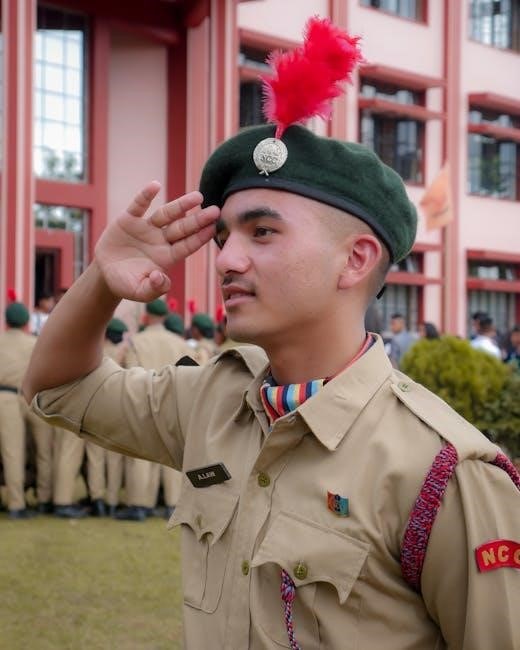
Fundamental to all cadet training‚ basic drill movements establish discipline and uniformity. These include attention‚ parade rest‚ hand salute‚ and various marching steps – forward‚ backward‚ and lateral.
Proper execution demands precise timing‚ posture‚ and adherence to commands. Mastering these movements builds individual precision and contributes to the overall effectiveness of formations‚ fostering a sense of collective pride and military bearing.
Formation Drills
Building upon basic movements‚ formation drills emphasize unit cohesion and responsiveness. Common formations include line‚ column‚ and wedge‚ each serving distinct tactical purposes.
Cadets learn to transition smoothly between formations‚ maintain alignment‚ and execute complex maneuvers under command. These drills instill discipline‚ teamwork‚ and the ability to react effectively as a unified force‚ crucial for successful operations.
Ceremonial Procedures
Ceremonial drills encompass a range of formal events‚ including parades‚ colors ceremonies‚ and funerals‚ demanding precision and respect. Cadets learn proper flag etiquette‚ saluting techniques‚ and marching protocols.
These procedures foster a sense of tradition‚ honor‚ and esprit de corps‚ representing the unit and the armed forces with dignity. Mastery of ceremonial drills demonstrates discipline and attention to detail.

Leadership and Teamwork
Effective leadership principles‚ team-building exercises‚ and conflict resolution strategies are vital for cadets‚ fostering collaboration and preparing them for future roles.
Principles of Effective Leadership
Cadet leadership hinges on several core principles: knowing your team‚ communicating clearly‚ and leading by example. Developing a strong sense of responsibility and demonstrating genuine care for subordinates are paramount.
Furthermore‚ effective leaders must possess the ability to make sound decisions under pressure‚ inspire others‚ and foster a climate of trust and mutual respect within the unit. Adaptability and continuous self-improvement are also essential qualities.
Team Building Exercises
Cadet units benefit greatly from structured team-building exercises designed to enhance cohesion and trust. These activities range from physical challenges requiring collaboration‚ to problem-solving scenarios demanding strategic thinking.
Common exercises include obstacle courses‚ land navigation challenges‚ and simulated combat situations. The goal is to foster communication‚ encourage mutual support‚ and develop a shared understanding of each cadet’s strengths and weaknesses.
Conflict Resolution Strategies
Cadets will inevitably encounter disagreements; therefore‚ mastering conflict resolution is vital. Effective strategies include active listening‚ seeking to understand differing perspectives‚ and employing mediation techniques.
Emphasis should be placed on respectful communication‚ avoiding escalation‚ and finding mutually acceptable solutions. Leaders must model these behaviors‚ fostering an environment where constructive dialogue replaces confrontation‚ building stronger unit cohesion.
Military Science Curriculum
The curriculum integrates infantry tactics (FM 3-21.8)‚ military history‚ and essential skills like land navigation and map reading‚ preparing cadets effectively.
Infantry Rifle Platoon and Squad Tactics (FM 3-21.8)
This foundational element of the curriculum utilizes Field Manual (FM) 3-21.8‚ providing cadets with a comprehensive understanding of infantry operations at the platoon and squad levels.
Training encompasses offensive and defensive tactics‚ movement techniques‚ and the effective employment of individual and crew-served weapons. Cadets learn to analyze terrain‚ develop fire plans‚ and execute coordinated maneuvers‚ building a strong base for future leadership roles. Emphasis is placed on practical application and tactical decision-making.
Military History Overview
A robust study of military history is integral to the cadet experience‚ fostering an understanding of strategic principles and the evolution of warfare.
Cadets examine pivotal battles‚ campaigns‚ and the leadership styles of prominent commanders throughout history. This historical analysis develops critical thinking skills‚ enabling cadets to apply lessons learned to contemporary military challenges and appreciate the enduring impact of past conflicts on modern military doctrine.
Land Navigation and Map Reading
Proficiency in land navigation and map reading is a foundational skill for all cadets‚ essential for successful mission execution in diverse terrains.
Cadets learn to interpret topographic maps‚ utilize compasses‚ and employ GPS technology to determine precise locations and navigate effectively. This training emphasizes terrain association‚ route planning‚ and obstacle avoidance‚ building confidence and self-reliance in field environments.
Physical Training and Fitness
Cadet physical training focuses on meeting established fitness standards‚ incorporating injury prevention‚ and providing first aid knowledge for sustained performance.
Physical Fitness Standards
Maintaining peak physical condition is paramount for all cadets‚ demanding adherence to rigorous standards. These standards are not merely about athletic ability‚ but cultivating discipline‚ resilience‚ and a commitment to personal well-being.
Regular assessments‚ including running‚ push-ups‚ and sit-ups‚ will gauge progress and identify areas for improvement. Meeting these benchmarks demonstrates dedication and prepares cadets for the physical demands of future leadership roles and military service.
Cadet Physical Training Program
The cadet physical training program is a comprehensive‚ progressive regimen designed to enhance strength‚ endurance‚ and overall fitness. It incorporates a blend of cardiovascular exercises‚ calisthenics‚ and specialized drills tailored to build military-relevant physical capabilities.
Structured workouts‚ led by qualified instructors‚ emphasize proper technique and injury prevention. Consistent participation is crucial‚ fostering a culture of physical readiness and preparing cadets for the challenges of leadership and service.
Injury Prevention and First Aid
Maintaining cadet health and well-being is paramount; therefore‚ the program prioritizes injury prevention through proper warm-up routines‚ correct exercise form‚ and gradual progression of training intensity. Cadets are educated on recognizing potential hazards and employing preventative measures.
Basic first aid training‚ encompassing treatment for common injuries like sprains‚ strains‚ and heat exhaustion‚ is also provided‚ equipping cadets to respond effectively in emergency situations and ensure buddy care.
Regulations and Policies
Cadets must adhere to relevant Army Publications‚ like AR 670-1‚ alongside specific travel and academic policies outlined within this manual for guidance.
Relevant Army Publications (e.g.‚ AR 670-1)
Army Regulation 670-1 dictates standards for uniform wear‚ appearance‚ and grooming‚ crucial for cadets maintaining a professional military bearing. This regulation details acceptable hairstyles‚ facial coverings‚ and insignia placement.
Furthermore‚ cadets should familiarize themselves with other applicable regulations concerning conduct‚ safety‚ and administrative procedures. Accessing these publications via armypubs.army.mil ensures current guidance is followed‚ fostering discipline and adherence to established Army standards.
Travel Regulations for Cadets
Cadets transitioning between Cadet Summer Training (CST) and Advanced Individual Training (AIT) must adhere to specific uniform guidelines during travel. Regulations permit wearing the Army Service Uniform (ASU) or the Army Combat Uniform (ACU) while en route.
Detailed travel procedures‚ including authorized transportation methods and expense reimbursement‚ are outlined in applicable Army publications. Cadets are responsible for understanding and complying with these rules to ensure a smooth and authorized travel experience.
Academic Policies for Cadet Students
Cadets are expected to maintain satisfactory academic progress alongside their military commitments. Balancing academics‚ military duties‚ and athletics is a core tenet of the program‚ demanding diligent time management and dedication.
Specific academic standards‚ including minimum GPA requirements and course load expectations‚ are enforced. Cadets facing academic challenges should utilize available support services to ensure continued eligibility within the ROTC program.
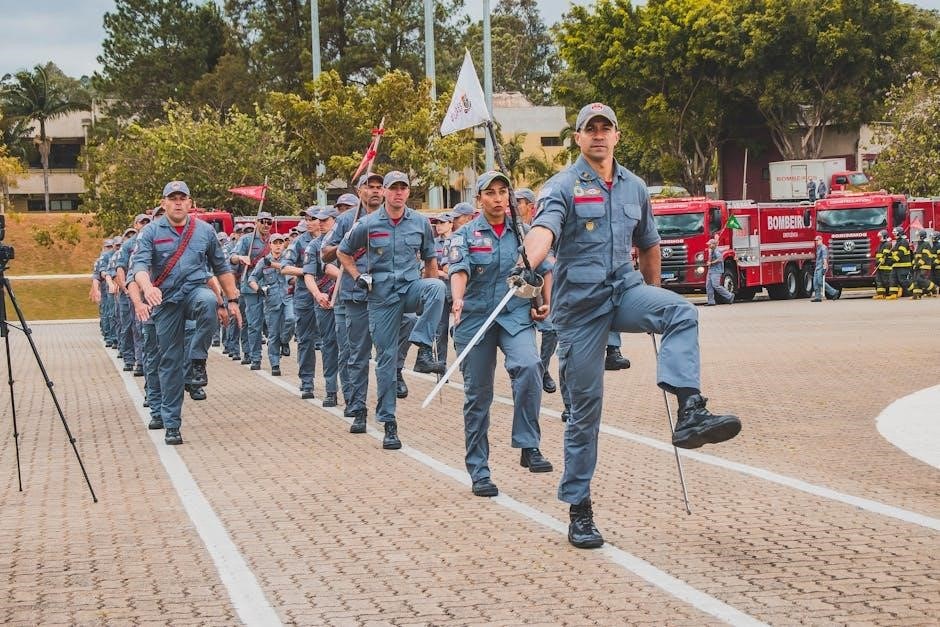
Inclusivity and Equity
Missouri Military Academy commits to an inclusive and equitable environment‚ fostering respect and valuing diversity among all cadets and staff.
Commitment to an Inclusive Environment
The Cadet Reference Manual emphasizes a dedication to creating a welcoming atmosphere where every individual feels valued and respected‚ regardless of background or identity.
This commitment extends to fostering a culture of understanding‚ actively challenging biases‚ and promoting equal opportunities for all cadets to thrive.
It’s about recognizing and celebrating the unique contributions each member brings‚ building a stronger‚ more cohesive unit through inclusivity.
Equal Opportunity Policies
The Cadet Reference Manual strictly adheres to equal opportunity policies‚ prohibiting discrimination based on race‚ religion‚ gender‚ sexual orientation‚ or any other protected characteristic.
These policies ensure fair treatment and access to all programs‚ opportunities‚ and resources within the cadet program‚ fostering a merit-based environment.
Any form of harassment or discrimination is unacceptable and will be addressed promptly and effectively‚ upholding the principles of justice and equity.
Cadet Life and Resources
Cadet life demands balance between academics‚ military duties‚ and athletics; support services are readily available to assist cadets in navigating these commitments.
Academics‚ Military‚ and Athletics Balance
Successfully navigating cadet life requires a deliberate and consistent effort to balance three core components: rigorous academics‚ demanding military training‚ and competitive athletics. This triad forms the foundation of the cadet experience‚ fostering well-rounded leaders.
Prioritization‚ time management‚ and seeking support when needed are essential skills. The Corps of Cadets military component is a central focus‚ alongside academic pursuits and athletic participation‚ creating a holistic developmental environment.
Available Support Services for Cadets
Cadets have access to a comprehensive network of support services designed to facilitate success in all areas of their development. These resources include academic advising‚ tutoring services‚ and mental health counseling to address personal and professional challenges.
Furthermore‚ dedicated staff provide guidance on military-specific concerns‚ ensuring cadets are well-prepared for leadership roles. Proactive utilization of these services is strongly encouraged throughout their tenure.
Appendix
This section contains a glossary defining key military terms and vital contact information for cadets needing assistance or further guidance.
It serves as a quick reference for understanding terminology and accessing essential support networks.
Glossary of Military Terms
This glossary defines common military terminology encountered throughout the cadet program‚ ensuring clear communication and understanding amongst all personnel. Terms range from basic rank structures – like Private‚ Corporal‚ and Lieutenant – to tactical movements and operational procedures.
It also includes definitions for acronyms frequently used in Army publications‚ such as ASU (Army Service Uniform) and AR (Army Regulation)‚ facilitating comprehension of official documentation and orders. Consistent use of this glossary is vital for effective training.
Important Contact Information
This section provides a comprehensive directory of key personnel and resources for cadets. It includes contact details for the Cadet Chain of Command‚ including Battalion Commanders‚ Company Commanders‚ and key staff members.
Furthermore‚ it lists essential support services – medical‚ academic advising‚ and counseling – alongside emergency contact numbers for immediate assistance. Maintaining this information readily accessible is crucial for cadet well-being and program success.